
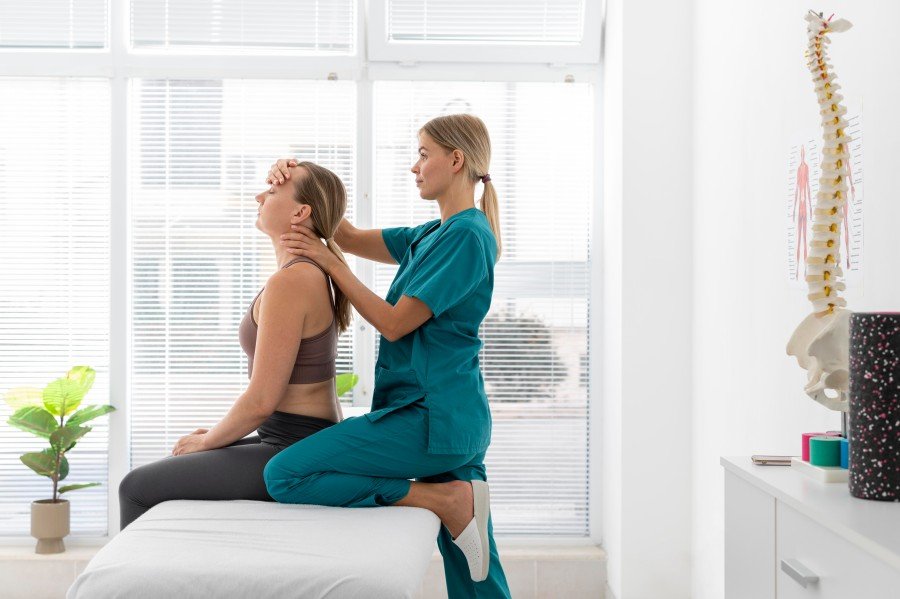
Recovering after surgery takes patience, proper care, and the right rehabilitation plan. While surgery addresses the underlying medical issue, rehabilitation helps restore strength, mobility, and confidence. Choosing a Physiotherapy center Ghaziabad can make a significant difference in how quickly and safely you return to your daily routine.
Whether you have undergone joint replacement, ligament repair, spinal surgery, or fracture fixation, physiotherapy supports healing through personalized exercises, pain management techniques, and functional training. Early rehabilitation also reduces the risk of complications and helps you regain independence sooner.
A Physiotherapy center Ghaziabad helps patients recover faster after surgery by improving mobility, reducing pain, restoring muscle strength, preventing complications, and creating personalized rehabilitation plans. Guided physiotherapy promotes safe healing, supports functional recovery, and enables patients to return to daily activities with greater confidence.
Why Physiotherapy Matters After Surgery
Many people believe surgery completes the treatment process. However, rehabilitation plays an equally important role in achieving the best possible outcome.
Following surgery, your body experiences inflammation, muscle weakness, stiffness, reduced flexibility, and limited movement. Without proper rehabilitation, these issues can delay recovery and affect long-term function.
Physiotherapy helps by:
- Restoring joint mobility
- Improving muscle strength
- Reducing swelling
- Managing pain naturally
- Improving balance and coordination
- Preventing secondary complications
- Encouraging safe movement during healing
A structured rehabilitation program allows patients to recover progressively without placing unnecessary stress on healing tissues.
How a Physiotherapy Center Ghaziabad Supports Faster Recovery
Every patient heals differently. Therefore, experienced physiotherapists develop customized rehabilitation plans based on your surgery, age, medical condition, and recovery goals.
Comprehensive Initial Assessment
Recovery begins with a detailed assessment.
Your physiotherapist evaluates:
- Range of motion
- Muscle strength
- Pain levels
- Walking pattern
- Balance
- Functional limitations
- Surgical precautions
This evaluation helps create a treatment plan that matches your current stage of healing.
Pain Management Without Overdependence on Medication
Pain often discourages patients from moving after surgery. Unfortunately, prolonged inactivity can slow recovery.
Physiotherapists use several evidence-based techniques to control pain, including:
- Manual therapy
- Therapeutic exercises
- Soft tissue mobilization
- Heat therapy
- Cold therapy
- Electrical stimulation (when appropriate)
- Postural correction
Reducing pain allows patients to participate more effectively in rehabilitation exercises.
Restoring Strength and Mobility
Surgery often leads to muscle weakness because patients limit movement during the healing process.
Physiotherapy gradually rebuilds strength using safe and progressive exercises.
Treatment may include:
- Resistance exercises
- Stretching routines
- Joint mobility exercises
- Core strengthening
- Functional movement training
As muscles become stronger, patients perform everyday activities with greater ease.
Preventing Post-Surgical Complications
Remaining inactive after surgery increases the risk of several complications.
Physiotherapy helps reduce the chances of:
- Joint stiffness
- Muscle wasting
- Poor posture
- Scar tissue restrictions
- Balance problems
- Falls
- Reduced circulation
Early movement, under professional supervision, encourages healthy healing while minimizing these risks.
Improving Walking and Daily Activities
Many surgeries temporarily affect your ability to walk, climb stairs, bend, or lift objects.
Physio Flex focus on restoring these everyday movements through functional training.
Patients learn how to:
- Walk correctly
- Sit and stand safely
- Climb stairs
- Get in and out of bed
- Return to work safely
- Resume recreational activities
These practical exercises improve confidence throughout the recovery process.
Common Surgeries That Benefit from Physiotherapy
Most surgical procedures benefit from rehabilitation.
Examples include:
Orthopedic Surgeries
- Knee replacement
- Hip replacement
- Shoulder surgery
- ACL reconstruction
- Meniscus repair
- Fracture surgery
Spine Surgeries
- Disc surgery
- Spinal decompression
- Spinal fusion
Sports Injury Procedures
Athletes often require specialized rehabilitation to restore performance and reduce the risk of reinjury.
Neurological Procedures
Patients recovering from neurological surgeries benefit from balance training, coordination exercises, and mobility improvement programs.
The Importance of Personalized Rehabilitation
No two patients recover in exactly the same way.
Factors influencing recovery include:
- Age
- General fitness
- Existing medical conditions
- Type of surgery
- Healing response
- Lifestyle
- Rehabilitation consistency
A personalized program adjusts exercise intensity as recovery progresses, ensuring steady improvement without overloading healing tissues.
What to Expect During Your Recovery Sessions
Many patients feel anxious before starting physiotherapy. Knowing what to expect makes the process more comfortable.
A typical session may include:
- Pain assessment
- Warm-up exercises
- Gentle stretching
- Strength-building exercises
- Balance and coordination training
- Walking practice
- Home exercise guidance
- Progress evaluation
Your physiotherapist continuously monitors your progress and modifies exercises based on your recovery stage.
Tips to Speed Up Recovery After Surgery
Physiotherapy works best when combined with healthy lifestyle habits.
You can support recovery by:
- Following your physiotherapist’s instructions
- Completing prescribed home exercises
- Staying hydrated
- Eating a balanced, protein-rich diet
- Getting adequate sleep
- Avoiding smoking
- Attending scheduled follow-up appointments
- Avoiding activities your surgeon has restricted
Consistency produces better results than occasional intensive exercise.
Why Choose a Physiotherapy Center Ghaziabad for Post-Surgical Rehabilitation
Access to experienced rehabilitation professionals can improve your recovery experience significantly.
A trusted Physiotherapy center Ghaziabad provides:
- Individualized treatment plans
- Modern rehabilitation equipment
- Evidence-based therapy techniques
- Experienced physiotherapists
- Patient education
- Progressive recovery monitoring
- Safe exercise supervision
Local care also makes it easier to attend regular appointments, which supports consistent progress throughout rehabilitation.
When Should You Start Physiotherapy?
The ideal timing depends on your surgical procedure and your surgeon’s recommendations.
Many patients begin gentle physiotherapy within the first few days after surgery, while others may need to wait longer depending on tissue healing.
Always follow your surgeon’s advice before starting rehabilitation.
Beginning therapy at the appropriate time often improves flexibility, reduces stiffness, and promotes better long-term outcomes.
Recovery Is a Team Effort
Successful recovery depends on collaboration between your surgeon, physiotherapist, and your own commitment.
Following the recommended rehabilitation plan helps you regain strength safely while reducing the risk of setbacks. Open communication with your healthcare providers ensures your exercises remain appropriate as healing progresses.
Conclusion
Recovering from surgery requires more than rest alone. A structured rehabilitation program helps restore strength, improve flexibility, reduce pain, and rebuild confidence for everyday activities. Choosing a trusted Physiotherapy center Ghaziabad gives you access to personalized care, evidence-based treatment, and professional guidance throughout every stage of recovery. With regular physiotherapy sessions, consistent home exercises, and close coordination with your healthcare team, you can return to your normal routine more safely and efficiently. If you are preparing for surgery or currently recovering, consider consulting an experienced physiotherapist to develop a rehabilitation plan that supports your long-term health, mobility, and overall quality of life.