
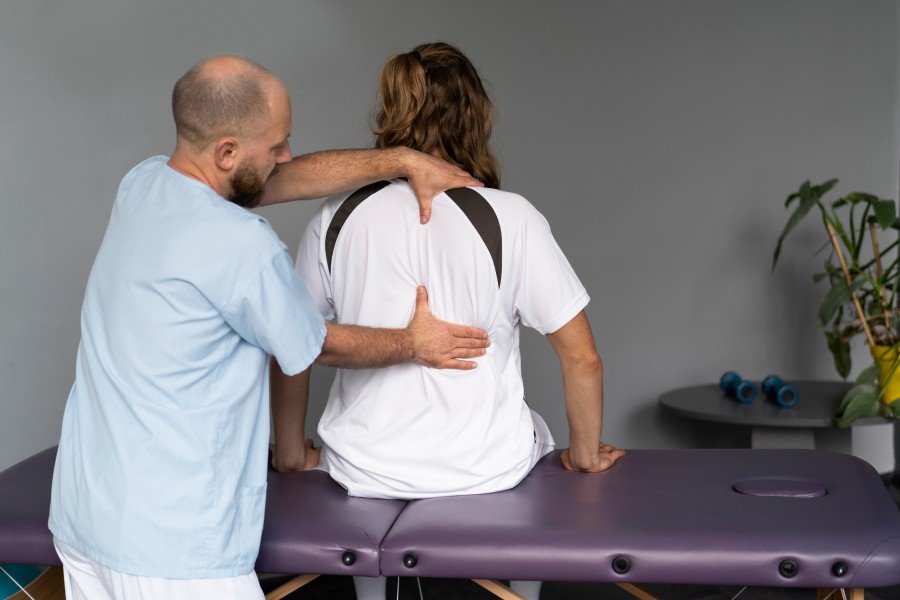
Physiotherapy has evolved far beyond basic exercises and heat therapy. Today, modern treatment focuses on understanding the underlying cause of pain, movement limitations, and functional problems before creating a personalized recovery plan. At the Best physiotherapy clinic in Crossing Republic, patients can benefit from evidence-based approaches designed to support pain relief, mobility, strength, and long-term physical function.
Whether you are dealing with back pain, a sports injury, joint stiffness, post-surgical weakness, or recurring muscle discomfort, the right treatment approach can make a meaningful difference. Modern physiotherapy combines clinical assessment, targeted exercise, manual techniques, and appropriate therapeutic technologies to support safe and effective recovery.
For more information, direct chat with us on WhatsApp
Physio Flex uses personalized assessment, manual therapy, therapeutic exercise, movement retraining, and selected treatment technologies to address pain and mobility problems. A well-planned treatment program focuses not only on reducing symptoms but also on improving strength, flexibility, function, and long-term movement health.
Why Modern Physiotherapy Focuses on the Root Cause
Pain often develops because of more than one factor. Poor movement patterns, muscle weakness, reduced flexibility, repetitive strain, previous injuries, or prolonged inactivity can all contribute to physical discomfort.
Therefore, effective physiotherapy should not focus only on the painful area. A qualified physiotherapist evaluates how the body moves and identifies factors that may be contributing to the problem.
For example, persistent knee pain may involve weakness around the hip or poor lower-limb movement control. Similarly, recurring back pain may be associated with reduced core strength, limited mobility, or prolonged sitting habits.
This broader approach helps create a treatment plan that addresses the individual’s specific needs rather than offering the same treatment to every patient.
Comprehensive Physical Assessment and Movement Analysis
A modern treatment plan usually begins with a detailed assessment. The physiotherapist may ask about:
- The location and nature of the pain
- When symptoms began
- Previous injuries or medical conditions
- Activities that worsen or relieve symptoms
- Work and lifestyle habits
- Movement limitations and functional goals
The assessment may also include posture observation, joint movement testing, muscle strength evaluation, flexibility assessment, and functional movement analysis.
This process helps the therapist understand what may be contributing to the problem. More importantly, it provides a baseline for monitoring progress throughout rehabilitation.
Manual Therapy for Pain and Mobility
Hands-On Techniques Used at the Best Physiotherapy Clinic in Crossing Republic
Manual therapy remains an important part of modern physiotherapy when it is clinically appropriate. It involves skilled hands-on techniques designed to improve joint and soft-tissue movement.
Depending on the patient’s condition, treatment may include:
- Joint mobilization
- Soft tissue techniques
- Myofascial techniques
- Gentle stretching
- Muscle release methods
These approaches may help reduce stiffness and improve movement. However, manual therapy generally works best as part of a broader rehabilitation program rather than as a stand-alone solution.
For instance, after improving joint mobility, the physiotherapist may introduce exercises to help the body maintain and control the newly improved range of movement.
Therapeutic Exercise: The Foundation of Long-Term Recovery
Exercise-based rehabilitation is one of the most important components of modern physiotherapy. The program should match the patient’s diagnosis, physical ability, symptoms, and recovery goals.
A physiotherapist may recommend exercises to improve:
- Muscle strength
- Joint mobility
- Balance and coordination
- Core stability
- Flexibility
- Endurance
- Functional movement
Unlike generic online workout routines, therapeutic exercises are adjusted according to the individual’s condition and progress.
For example, a patient recovering from a shoulder injury may begin with gentle mobility exercises before progressing to strengthening and functional activities. This gradual progression helps ensure that the rehabilitation program remains appropriate for the person’s current ability.
Electrotherapy and Other Therapeutic Modalities
Modern physiotherapy clinics may use certain therapeutic modalities when they are suitable for a patient’s condition. These can complement exercise and hands-on treatment.
Depending on clinical requirements, available approaches may include:
- Electrical stimulation
- Ultrasound therapy
- Heat or cold therapy
- Interferential therapy
- TENS for selected pain conditions
These modalities should support the overall treatment plan rather than replace active rehabilitation. Exercise, education, and gradual movement progression usually remain essential for long-term improvement.
A responsible physiotherapist will also explain why a particular treatment is being recommended and what role it may play in the recovery process.
Movement Retraining and Functional Rehabilitation
Reducing pain is important, but many patients also want to return to normal activities safely. That is why modern physiotherapy increasingly focuses on functional rehabilitation.
The treatment may involve practicing movements related to everyday life, such as:
- Walking comfortably
- Climbing stairs
- Sitting and standing
- Lifting safely
- Reaching overhead
- Returning to work activities
- Resuming sports or exercise
Movement retraining can help patients improve confidence and control while gradually returning to their usual routine.
For athletes, rehabilitation may also include sport-specific exercises. For example, someone recovering from a running-related injury may need a progressive program that addresses strength, balance, mobility, and running mechanics.
Technology-Supported Rehabilitation
Technology can support physiotherapy assessment and treatment when used appropriately. Some clinics may use tools that help monitor movement, strength, balance, or exercise progress.
Digital exercise programs can also help patients follow home rehabilitation plans more consistently. However, technology alone does not determine treatment quality.
The most important factor remains proper clinical assessment and professional decision-making. Technology should support the therapist’s expertise rather than replace it.
Personalized Treatment for Different Conditions
The Best physiotherapy clinic in Crossing Republic should recognize that different conditions require different rehabilitation strategies. A treatment plan for neck pain will not be identical to a program for post-operative knee rehabilitation or a sports injury.
Physiotherapy may support people dealing with:
- Back and neck pain
- Joint stiffness and reduced mobility
- Sports injuries
- Muscle strains and ligament injuries
- Shoulder and knee problems
- Post-operative rehabilitation
- Postural concerns
- Balance and mobility difficulties
- Repetitive strain problems
The treatment plan should consider the patient’s symptoms, medical history, activity level, and personal goals.
The Importance of Patient Education
Modern physiotherapy is not limited to treatment sessions. Patient education plays an important role in helping people understand their condition and participate actively in recovery.
A physiotherapist may provide guidance about:
- Safe activity modification
- Exercise technique
- Posture and movement habits
- Ergonomics at work
- Gradual return to physical activity
- Injury prevention strategies
Clear education can help patients make informed decisions about their daily activities. It can also reduce unnecessary fear around movement when gradual activity is appropriate.
How to Choose a Physiotherapy Clinic in Crossing Republic
When choosing a local physiotherapy provider, look beyond a single treatment device or a quick promise of recovery. Consider whether the clinic provides a proper assessment and individualized rehabilitation plan.
You may also want to ask:
- Does the therapist assess the cause of the problem?
- Is the treatment plan tailored to individual needs?
- Are exercises explained clearly?
- Is progress reviewed regularly?
- Does the therapist provide guidance for home care?
- Are treatment methods based on current clinical practice?
A good rehabilitation experience should involve communication, appropriate goal-setting, and regular adjustments as your condition changes.
For residents of Crossing Republic and nearby areas, access to professional physiotherapy can make it easier to seek timely care for pain, injuries, and movement-related problems.
Conclusion
Modern physiotherapy combines professional assessment, manual techniques, therapeutic exercise, movement retraining, patient education, and selected treatment technologies to support recovery. The most effective plan depends on the individual’s condition, goals, and physical needs rather than a one-size-fits-all approach. Choosing Physio Flex can help you access a structured and personalized approach to pain management, injury rehabilitation, mobility improvement, and functional recovery. If pain or movement problems are affecting your daily life, consider consulting a qualified physiotherapist for a proper assessment and guidance on the most appropriate next steps.