
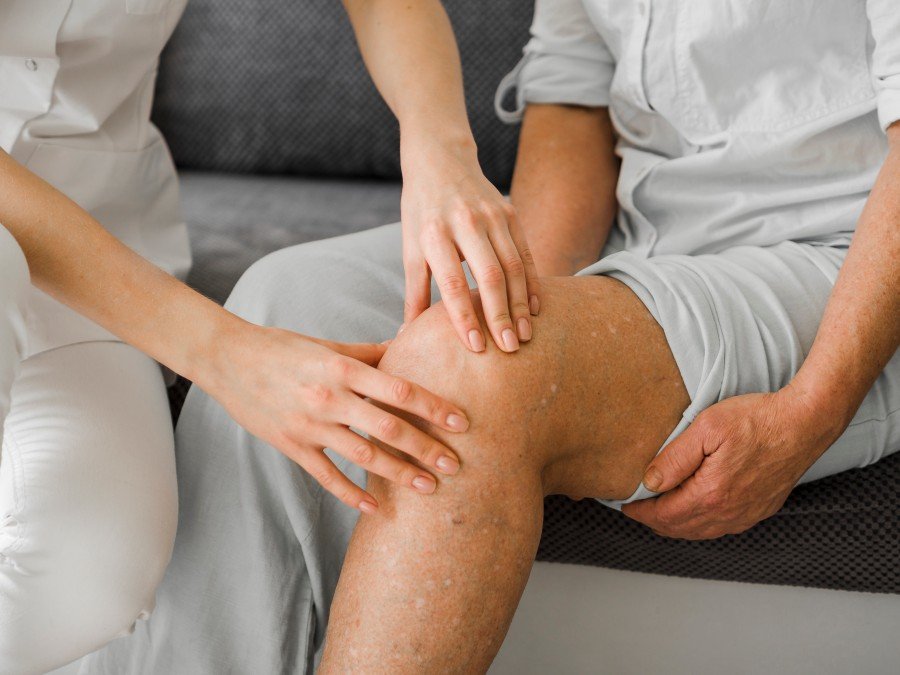
Knee pain can make everyday activities difficult for older adults, from walking and climbing stairs to getting up from a chair. With the right assessment and care, many seniors can improve their movement, strength, and confidence. Elderly knee pain physio in Gaur City can help older adults manage discomfort, maintain independence, and work towards safer daily movement through an individualized physiotherapy plan.
For more information, direct chat with us on WhatsApp
Elderly knee pain physiotherapy helps older adults manage knee discomfort, improve leg strength, and maintain balance and mobility. Treatment may include gentle strengthening exercises, flexibility training, walking practice, and balance activities based on the person’s condition. Dr. Preksha Singh first assesses the cause and severity of the pain to develop a suitable and safe treatment plan.
Why Is Knee Pain Common Among Older Adults?
Knee pain can develop gradually or appear after an injury. Age-related changes in the joints, reduced muscle strength, and other medical conditions can affect how comfortably a person moves.
Common causes include:
- Osteoarthritis: The protective cartilage in the knee gradually wears down, which may cause pain, stiffness, and difficulty moving.
- Muscle weakness: Weak thigh and hip muscles can reduce support around the knee and make standing or walking more challenging.
- Previous injuries: Old ligament injuries, fractures, or meniscus problems may contribute to ongoing discomfort.
- Reduced physical activity: Spending long periods sitting can lead to stiffness and reduced flexibility.
- Inflammatory conditions: Some forms of arthritis cause swelling, warmth, and pain in the joints.
Knee pain should not automatically be considered a normal part of ageing. Persistent or worsening symptoms deserve medical assessment, particularly when they interfere with sleep or everyday activities.
How Elderly Knee Pain Physio in Gaur City Can Help
Physiotherapy focuses on improving physical function while helping people manage symptoms safely. The treatment plan depends on the diagnosis, pain level, general health, and mobility of each individual.
1. Initial Assessment and Personalised Planning
A physiotherapist may assess knee movement, leg strength, balance, walking pattern, and the ability to perform daily tasks. They may also ask about previous injuries, current medication, other health conditions, and activities that worsen the pain.
This assessment helps determine which exercises are appropriate and whether a medical referral is necessary before treatment begins.
2. Gentle Strengthening Exercises
Strengthening the muscles around the knee can improve joint support and make everyday movement easier. Depending on the person’s condition, a physiotherapist may introduce:
- Seated knee extensions within a comfortable range.
- Gentle quadriceps contractions.
- Supported sit-to-stand practice.
- Hip and leg strengthening exercises.
Exercises should be adjusted to the person’s abilities. Sharp pain, increasing swelling, or a noticeable deterioration in symptoms is a reason to stop and seek professional guidance.
3. Flexibility and Range-of-Motion Training
Gentle movement can help reduce stiffness and maintain the knee’s available range of motion. A physiotherapist may recommend controlled knee bending and straightening, ankle movements, or appropriate thigh and calf stretches.
The aim is to improve comfortable movement without forcing the joint beyond its limits.
4. Balance and Walking Training
Knee pain may change the way an older adult walks, sometimes increasing the risk of losing balance. Physiotherapy can include supported balance exercises, walking practice, and guidance on using a walking stick or other mobility aid when needed.
The physiotherapist may also review footwear and movement strategies to help the person navigate everyday environments more safely.
Practical Tips for Managing Knee Pain at Home
Alongside professional treatment, a few daily habits can support mobility and comfort.
- Stay gently active: Short walks or prescribed exercises may be more manageable than long periods of inactivity.
- Avoid sudden increases in activity: Increase walking distance and exercise intensity gradually.
- Use suitable support: Handrails, stable chairs, and correctly fitted mobility aids can make movement safer.
- Choose supportive footwear: Comfortable, well-fitting shoes may improve stability during walking.
- Manage swelling appropriately: A wrapped cold pack may help with a swollen knee when used for short periods, provided skin sensation and circulation are adequate. Avoid placing ice directly on the skin.
- Follow professional advice: Do not begin strenuous exercises or change prescribed medication without appropriate guidance.
People with significant balance problems or severe pain should avoid unsupported exercises until a professional has assessed their safety.
When Should Seniors Seek Medical Attention?
Arrange a medical assessment if knee pain persists, repeatedly returns, causes limping, or limits everyday activities despite reasonable adjustments.
Seek urgent medical care if the knee becomes suddenly very painful or significantly swollen, looks deformed, locks after an injury, or cannot bear weight. A hot, red knee accompanied by fever also requires urgent assessment because infection or another serious condition may be responsible.
Physiotherapy can be an important part of recovery, but it does not replace medical diagnosis. Depending on the symptoms, a doctor may recommend examination, imaging, medication review, or specialist care.
Choosing the Right Physiotherapy Service in Gaur City
When looking for elderly knee pain physiotherapy, consider whether the provider:
- Has experience working with older adults and age-related joint conditions.
- Performs an individual assessment before recommending exercises.
- Adjusts treatment according to pain, balance, strength, and other health conditions.
- Explains exercises clearly and provides a manageable home programme.
- Reviews progress and modifies the plan when necessary.
If travelling is difficult, ask whether home physiotherapy is available. For seniors who have difficulty walking or using stairs, a suitable home-based assessment may make treatment more accessible.
Frequently Asked Questions
1. Is physiotherapy helpful for knee osteoarthritis in older adults?
Yes. Physiotherapy can help many people with knee osteoarthritis improve muscle strength, joint movement, and everyday function. Treatment often combines strengthening, appropriate physical activity, and education about managing symptoms. The programme should be adapted to the person’s pain, mobility, and other medical conditions.
2. Which exercises are suitable for senior citizens with knee pain?
Suitable exercises may include gentle quadriceps contractions, seated knee extensions, supported sit-to-stand practice, and comfortable knee movements. However, the right exercises depend on the cause of pain and the person’s balance and strength. Seniors should receive individual guidance before starting unfamiliar exercises, especially after an injury or when the knee is swollen.
3. How often should an older adult attend physiotherapy?
The frequency depends on the diagnosis, symptom severity, personal goals, and response to treatment. Some people benefit from regular supervised sessions combined with a home exercise programme. The physiotherapist should review progress and adjust the schedule rather than applying the same frequency to every senior.
4. Can elderly knee pain physiotherapy be provided at home in Gaur City?
Home physiotherapy may be suitable for older adults who struggle with travel, stairs, or walking longer distances. A qualified physiotherapist can assess movement in the home environment and recommend appropriate exercises and safety adjustments. Ask the provider about home-visit availability, assessment procedures, and experience treating older adults.
5. When should knee pain be checked by a doctor instead of treated with exercises?
A medical assessment is important when pain is persistent, worsening, or affecting daily activities. Sudden severe pain, major swelling, inability to bear weight, deformity, or a hot, red knee with fever requires urgent medical attention. Exercise should not delay diagnosis when symptoms suggest a potentially serious problem.
Conclusion
Managing knee discomfort in later life involves more than reducing pain; it also means maintaining confidence, balance, and independence. Elderly knee pain physio in Gaur City can support these goals through individual assessment, suitable strengthening exercises, flexibility training, and practical mobility advice. The right programme should reflect the person’s health, physical abilities, and everyday needs rather than follow a one-size-fits-all approach.
If knee pain is making walking, standing, or climbing stairs difficult, consider arranging an assessment with a qualified physiotherapist. Contact Physioflex Physiotherapy to enquire about available services and discuss which treatment options may be appropriate. Seek medical advice promptly for severe, sudden, or unusual symptoms.