
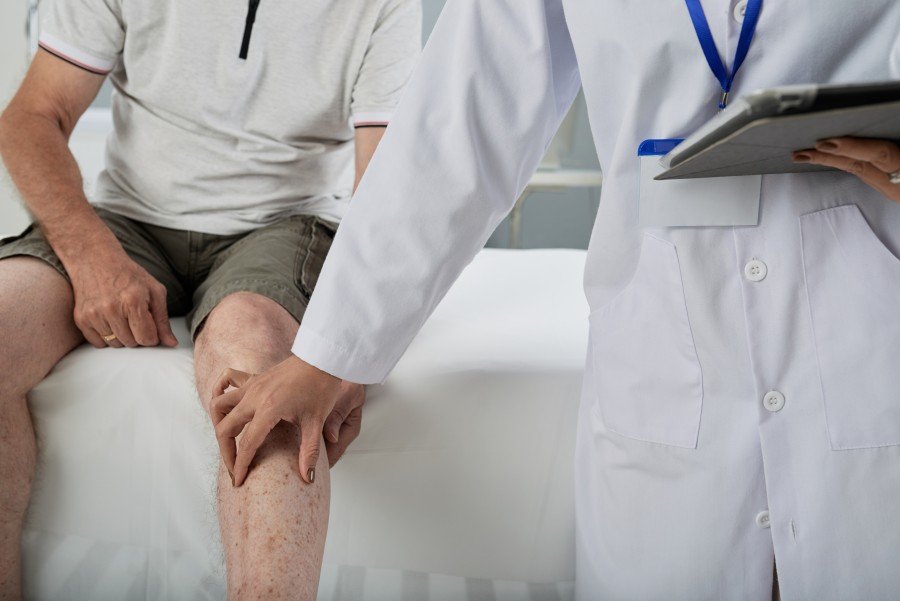
Knee pain becomes increasingly common with age. Stiffness, reduced muscle strength, previous injuries, osteoarthritis, and changes in joint function can make everyday activities such as walking, climbing stairs, or getting up from a chair more difficult. Fortunately, appropriate physiotherapy can help older adults maintain movement and manage many causes of knee discomfort. For people looking for Elderly knee pain physio in Gaur City, a personalised assessment can help identify movement limitations and develop an exercise and rehabilitation plan suited to the individual’s age, symptoms, strength, and functional needs.
For more information, direct chat with us on WhatsApp
Elderly knee pain physio in Gaur City can help seniors improve knee mobility, strength, balance, and everyday function through personalised exercises and rehabilitation. Treatment may include strengthening, flexibility exercises, movement training, manual techniques, and activity guidance. A physiotherapist first assesses the person’s condition and adjusts treatment according to their needs and tolerance.
Why Does Knee Pain Increase With Age?
Age itself does not automatically cause disabling knee pain. However, several factors can contribute to discomfort and reduced mobility over time.
Osteoarthritis is one of the most common causes. It involves gradual changes in the tissues of a joint and can cause pain, stiffness, and difficulty moving.
Other contributing factors may include:
- Reduced thigh and hip muscle strength
- Previous knee injuries
- Repetitive strain or overuse
- Reduced physical activity
- Poor movement patterns
- Increased difficulty with balance
- Joint stiffness after prolonged sitting
- Recovery after knee surgery
Importantly, persistent knee pain deserves proper assessment rather than being dismissed as a normal part of ageing.
How Physiotherapy Helps Older Adults With Knee Pain
Physiotherapy focuses on improving function rather than simply treating symptoms. After an assessment, the physiotherapist can determine which movements are difficult and which muscles or physical abilities need attention.
A rehabilitation programme may focus on:
- Knee and hip muscle strengthening
- Improving joint mobility
- Flexibility and stretching
- Balance and coordination
- Walking and functional movement
- Gradual return to daily activities
- Education about activity modification
The programme should match the person’s current abilities. For an older adult, gradual progression often works better than suddenly introducing strenuous exercises.
Exercises Commonly Used for Senior Knee Pain
Exercise selection should depend on the individual’s condition. A physiotherapist can demonstrate appropriate technique and decide how much resistance or repetition is suitable.
1. Seated Knee Extensions
Sit comfortably on a stable chair and slowly straighten one knee. Hold briefly, then lower the leg with control.
This simple movement can help activate the quadriceps, an important muscle group for walking and standing.
2. Sit-to-Stand Exercises
From a stable chair, practise standing up and sitting down slowly while maintaining controlled movement.
This functional exercise can help strengthen the muscles used for everyday activities. However, seniors with significant balance problems should perform it with appropriate support and supervision.
3. Heel Raises
Stand while holding a stable support and slowly raise the heels before lowering them.
Heel raises can contribute to lower-limb strength and functional stability.
4. Gentle Knee Mobility Exercises
Controlled bending and straightening movements can help maintain comfortable knee movement. The range should remain within a tolerable level and should not force the joint into painful positions.
5. Balance Exercises
Balance training can become an important part of rehabilitation for older adults, particularly when reduced stability affects confidence while walking.
These exercises should be performed in a safe environment and progressed according to individual ability.
Elderly Knee Pain Physio in Gaur City: What Treatment May Include
Physiotherapy is not limited to exercise. Depending on the assessment, a treatment plan may combine several approaches.
Strength and Conditioning
Weakness around the knee and hip can affect how a person moves. Progressive strengthening can improve the ability to perform everyday tasks.
Mobility Work
Gentle mobility exercises may help address stiffness and improve comfortable movement.
Manual Therapy
Where clinically appropriate, a physiotherapist may use hands-on techniques to address mobility limitations and support movement. These techniques generally work best as part of a broader rehabilitation programme rather than as the sole treatment.
Functional Training
Physiotherapy can also focus directly on activities such as walking, stair negotiation, standing, and getting in and out of a chair.
Home Exercise Programme
Consistency matters. A physiotherapist may provide a manageable home programme so the person can continue appropriate exercises between appointments.
When Should an Older Adult See a Physiotherapist?
Consider professional assessment when knee pain:
- Continues for several weeks
- Interferes with walking or household activities
- Makes stairs difficult
- Causes persistent stiffness
- Limits exercise or social activities
- Repeatedly affects sleep or daily comfort
- Returns frequently after temporary improvement
A physiotherapist can assess movement and function and determine whether physiotherapy is appropriate or whether further medical evaluation may be necessary.
When Knee Pain Needs Medical Assessment
Not every knee problem should be managed through physiotherapy alone.
Seek prompt medical attention if knee pain follows a significant injury, particularly when there is an inability to bear weight, obvious deformity, substantial swelling, or severe pain.
A healthcare professional should also evaluate symptoms such as fever with a hot or swollen joint, unexplained significant swelling, or rapidly worsening symptoms.
For older adults with multiple health conditions or recent surgery, coordination between the treating doctor and physiotherapist can help keep rehabilitation appropriate and safe.
How Seniors Can Support Knee Health at Home
Small changes can make regular movement easier.
Older adults may benefit from:
- Taking regular movement breaks instead of sitting for long periods
- Using supportive footwear
- Following prescribed exercises consistently
- Increasing activity gradually
- Using handrails on stairs when needed
- Keeping frequently used household items within comfortable reach
- Avoiding sudden increases in exercise intensity
Most importantly, avoid completely stopping movement because of fear of pain unless a healthcare professional has advised rest. Appropriate, gradual activity can play an important role in maintaining physical function.
Choosing the Right Physiotherapy Care in Gaur City
When choosing physiotherapy for an older family member, look beyond convenience alone. Ask whether the physiotherapist performs an individual assessment and creates a treatment plan based on the person’s functional goals.
It is also useful to consider:
- Experience with older adults
- Approach to exercise-based rehabilitation
- Ability to modify exercises when needed
- Attention to balance and fall-risk concerns
- Communication with the patient and family
- Accessibility of the clinic
For residents seeking Elderly knee pain physio in Gaur City, a nearby physiotherapy centre can make regular appointments and follow-up easier, which may support better consistency with rehabilitation.
5 FAQs
Frequently Asked Questions
1. Can physiotherapy help elderly people with knee osteoarthritis?
Yes, physiotherapy can help people with knee osteoarthritis improve strength, mobility, physical function, and confidence with movement. Treatment commonly includes progressive strengthening and mobility exercises. The physiotherapist should tailor the programme to the person’s symptoms, physical abilities, other health conditions, and everyday goals rather than using the same routine for everyone.
2. What exercises are safe for seniors with knee pain?
Low-impact, controlled exercises such as seated knee extensions, sit-to-stand movements, gentle mobility exercises, and selected strengthening activities may be suitable for some seniors. However, the right exercises depend on the underlying problem and physical ability. A physiotherapist can demonstrate safe technique and determine appropriate repetitions and progression.
3. How often should an older adult attend physiotherapy for knee pain?
The appropriate frequency varies according to the person’s condition, treatment goals, exercise programme, and ability to continue rehabilitation at home. Some people may initially need regular supervised sessions followed by less frequent appointments. The physiotherapist can adjust the schedule according to progress rather than following a fixed timetable.
4. Is physiotherapy suitable after knee replacement surgery?
Yes, physiotherapy is an important part of rehabilitation after knee replacement surgery. It can support recovery of movement, strength, walking ability, and everyday function. The programme should follow the surgeon’s postoperative guidance and progress gradually. Any unusual or worsening symptoms should be discussed with the appropriate healthcare professional.
5. Where can I find elderly knee pain physiotherapy near Gaur City?
Residents can look for a physiotherapy centre serving Gaur City and nearby areas that offers individual assessment and senior-focused rehabilitation. Consider the physiotherapist’s experience, accessibility, treatment approach, and ability to modify exercises. A consultation can help determine whether physiotherapy is appropriate for the person’s particular knee problem.
Conclusion
Knee pain does not have to mean giving up everyday movement as you get older. With the right assessment and a gradual rehabilitation programme, many seniors can work on strength, flexibility, balance, and functional mobility. Exercises such as controlled knee extensions, sit-to-stands, and appropriate strengthening activities may form part of an individualised programme.
If persistent knee discomfort is affecting walking, stairs, exercise, or daily activities, seeking professional guidance is a sensible next step. Elderly knee pain physio in Gaur City can provide personalised assessment and rehabilitation based on the individual’s needs and abilities. Contact PhysioFlex Physiotherapy to discuss an appropriate physiotherapy assessment and determine the next step for better, safer mobility.