
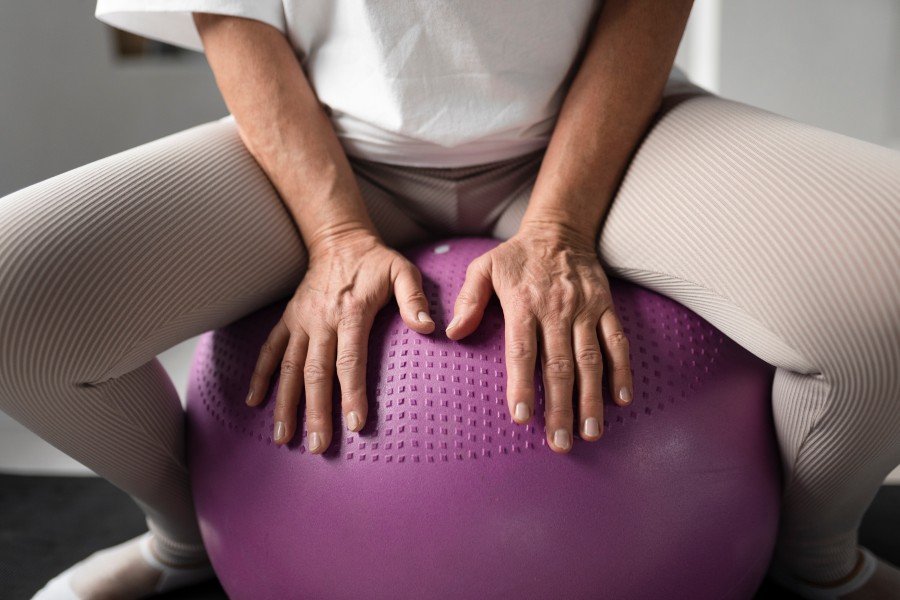
Pelvic floor muscles play an important role in bladder and bowel control, sexual function, core stability, and support for the pelvic organs. However, pregnancy, childbirth, ageing, surgery, prolonged straining, and certain health conditions can weaken these muscles. Pelvic floor physiotherapy in Ghaziabad can help assess pelvic floor function and develop a personalized rehabilitation plan based on an individual’s symptoms and goals. Weak pelvic floor muscles do not always cause obvious pain. Some people notice urine leakage while coughing or exercising, a frequent urge to urinate, pelvic heaviness, or reduced muscle control. Others may experience difficulty relaxing the pelvic floor rather than simple weakness. Therefore, professional assessment matters before starting strengthening exercises.
For more information, direct chat with us on WhatsApp
Pelvic floor physiotherapy helps improve pelvic muscle strength, coordination, endurance, and relaxation through individualized exercises and rehabilitation techniques. It may help people manage symptoms such as urinary leakage, pelvic discomfort, and reduced pelvic muscle control. A physiotherapist first evaluates the underlying problem and then recommends exercises appropriate for the person’s condition.
What Are the Pelvic Floor Muscles?
The pelvic floor is a group of muscles and connective tissues located at the base of the pelvis. Think of these muscles as a supportive hammock that helps hold the bladder, bowel, and reproductive organs in position.
These muscles also work with the abdominal, back, and breathing muscles to support the trunk and control pressure within the abdomen.
A healthy pelvic floor needs more than strength. It should also be able to contract, relax, lengthen, and coordinate with movement when required.
When these muscles become weak or poorly coordinated, symptoms can develop. Common signs include:
- Urine leakage when coughing, sneezing, laughing, or exercising
- Difficulty controlling bowel movements or gas
- A feeling of pelvic pressure or heaviness
- Reduced pelvic muscle awareness
- Changes in bladder habits
- Difficulty maintaining pelvic muscle contractions
Not every pelvic floor problem results from weakness. Tight or overactive pelvic muscles can also cause pain and functional problems. That is why simply performing more strengthening exercises may not suit everyone.
How Does Pelvic Floor Physiotherapy Strengthen Weak Muscles?
Pelvic floor physiotherapy in Ghaziabad focuses on restoring appropriate muscle function rather than simply making the muscles stronger.
A physiotherapist may use several approaches depending on the assessment findings.
1. Pelvic Floor Muscle Training
Pelvic floor muscle training, commonly called Kegel exercises, involves consciously contracting and relaxing the pelvic floor muscles.
However, technique matters. Some people contract the wrong muscles or hold their breath while exercising. A physiotherapist can teach correct activation and progression.
A typical rehabilitation programme may gradually address:
- Muscle awareness
- Correct contraction technique
- Holding capacity
- Repetition and endurance
- Coordination with everyday activities
2. Improving Muscle Coordination
The pelvic floor needs to respond appropriately to changes in abdominal pressure.
For example, coughing, sneezing, lifting, and jumping can increase pressure through the abdomen. Training can help coordinate pelvic floor activation with these activities when appropriate.
This functional approach can make rehabilitation more relevant to everyday movement.
3. Breathing and Core Coordination
The diaphragm, abdominal muscles, back muscles, and pelvic floor work together as part of the body’s pressure-management system.
Therefore, physiotherapy may include breathing exercises and core-control strategies alongside pelvic floor training. This can help patients develop better movement coordination instead of focusing on isolated contractions alone.
4. Gradual Exercise Progression
Pelvic floor rehabilitation should generally progress according to individual ability.
Initially, someone may perform exercises while lying or sitting. As control improves, the physiotherapist may introduce exercises during standing, walking, lifting, or other functional activities.
Progression should be comfortable and appropriate to the person’s symptoms rather than based on a fixed routine.
Who Can Benefit from Pelvic Floor Physiotherapy?
Pelvic floor rehabilitation can be relevant to both women and men.
It may be recommended for people experiencing:
Women
- Pelvic floor changes during or after pregnancy
- Urinary leakage after childbirth
- Pelvic pressure or heaviness
- Recovery following certain pelvic procedures
- Pelvic pain or muscle coordination problems
Men
- Pelvic floor weakness
- Urinary control problems
- Rehabilitation following some prostate procedures
- Pelvic pain associated with muscle dysfunction
It can also help people who participate in activities involving repeated impact or heavy lifting, particularly when symptoms suggest pelvic floor dysfunction.
Pelvic Floor Physiotherapy After Pregnancy and Childbirth
Pregnancy places additional demands on the pelvic floor because of hormonal changes, increased abdominal pressure, and the growing weight of the baby.
Vaginal delivery can also affect pelvic floor tissues and muscle function. A C-section does not eliminate the need for pelvic floor rehabilitation because pregnancy itself places considerable demands on the pelvic region.
After childbirth, an appropriately timed assessment can help identify muscle weakness, poor coordination, scar-related issues, or excessive muscle tension.
Rather than returning immediately to intense exercise, new mothers should gradually rebuild strength and function according to their recovery and medical guidance.
What Happens During a Pelvic Floor Physiotherapy Assessment?
A professional assessment typically begins with a detailed discussion about symptoms, medical history, pregnancy or surgical history, bladder and bowel habits, physical activity, and personal goals.
The physiotherapist may then assess relevant areas such as:
- Breathing patterns
- Posture and movement
- Abdominal and core function
- Hip and pelvic movement
- Pelvic floor muscle control
In some cases, an internal pelvic floor assessment may be appropriate and can provide more specific information about muscle contraction, relaxation, tenderness, and coordination. The physiotherapist should explain the procedure and obtain informed consent before performing it.
The findings help create an individualized treatment plan.
Why Professional Guidance Matters
Online pelvic floor exercises may look simple, but the correct approach depends on the underlying problem.
For instance, someone with genuine muscle weakness may benefit from progressive strengthening. However, someone with an overactive or painful pelvic floor may need relaxation, breathing, mobility, and coordination work instead.
A qualified physiotherapist can therefore help determine whether strengthening is appropriate and teach you how to perform exercises correctly.
If symptoms include persistent pelvic pain, blood in the urine or stool, unexplained bleeding, sudden loss of bladder or bowel control, fever, or other concerning changes, medical evaluation may be necessary rather than relying solely on physiotherapy.
Finding Pelvic Floor Physiotherapy in Ghaziabad
When searching for pelvic floor physiotherapy in Ghaziabad, consider more than location alone. Look for a qualified physiotherapy professional who takes a thorough history, performs an appropriate assessment, explains the treatment plan clearly, and adapts exercises to your symptoms and lifestyle.
For patients in and around Ghaziabad, including areas such as Vaishali, Vasundhara, and nearby localities, convenient access can also make it easier to attend regular rehabilitation sessions and maintain consistency.
Most importantly, avoid comparing your recovery with someone else’s. Pelvic floor rehabilitation varies from person to person.
Simple Habits That Support Pelvic Floor Health
Alongside a personalized rehabilitation programme, healthy daily habits can support pelvic floor function.
- Avoid routinely straining during bowel movements.
- Maintain adequate fluid intake according to your individual needs.
- Include appropriate physical activity in your routine.
- Increase exercise intensity gradually.
- Pay attention to persistent urinary or pelvic symptoms.
- Follow your physiotherapist’s exercise instructions consistently.
- Avoid repeatedly holding your breath during strenuous movements.
These habits do not replace professional assessment, but they can complement an individualized treatment plan.
Conclusion
Weak pelvic floor muscles can affect bladder control, physical activity, confidence, and everyday comfort. Fortunately, pelvic floor rehabilitation can address more than muscle strength. It can improve awareness, coordination, endurance, and the ability to contract or relax the muscles appropriately. Because pelvic floor symptoms have different causes, an individualized assessment is important before beginning an exercise programme. If you are experiencing leakage, pelvic pressure, reduced control, or other pelvic health concerns, pelvic floor physiotherapy in Ghaziabad can provide structured, professional guidance. Consider discussing your symptoms with PhysioFlex to determine the most suitable approach for your needs and recovery goals.