
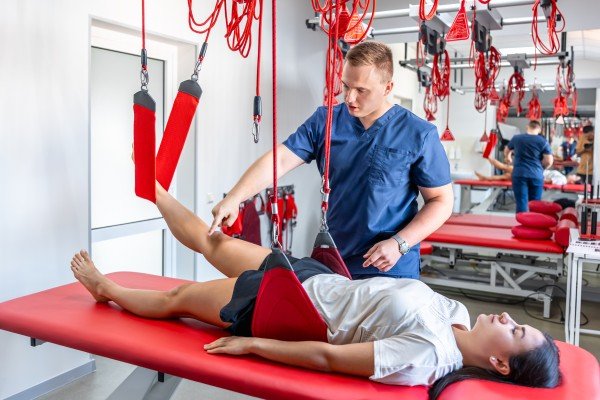
Recovering from back pain, a sports injury, joint stiffness, or surgery can take time and the right professional guidance. Choosing a suitable Physiotherapist Center in Crossing Republic can help you understand your condition, improve movement, and work toward your recovery goals. However, not every clinic offers the same approach, facilities, or treatment experience. Before making a decision, it is worth considering the physiotherapist’s qualifications, assessment process, treatment plan, and communication style. This guide explains what to look for when choosing a physiotherapy center and how to make an informed decision about your care.
For more information, direct chat with us on WhatsApp
A good physiotherapist center in Crossing Republic should have qualified professionals, a thorough initial assessment, personalized treatment plans, and clear progress monitoring. Before choosing a clinic, check its experience with your condition, available rehabilitation services, appointment options, fees, and patient feedback. Choose a center that explains your treatment and recovery goals without promising guaranteed results.
What Should You Look for in a Physiotherapy Center?
A good physiotherapy center should focus on your individual needs rather than offering the same treatment to every patient. Your symptoms, medical history, mobility, and daily activities all influence which treatment options may be appropriate.
Consider these important factors before choosing a clinic.
1. Qualified and Experienced Physiotherapists
Check whether the physiotherapist has appropriate professional qualifications and experience treating conditions similar to yours. Someone recovering from a knee injury may need a different rehabilitation approach from someone experiencing chronic neck pain or recovering after surgery.
Ask about the therapist’s experience with your specific concern and whether they work with patients who have similar recovery goals. Clear answers can help you feel more confident about your decision.
2. A Thorough Initial Assessment
A physiotherapy session should begin with an assessment rather than immediately relying on exercises or machines. The physiotherapist may ask about your symptoms, previous injuries, medical conditions, medications, and daily activities.
Depending on your problem, the assessment may include checking posture, joint movement, muscle strength, balance, flexibility, and functional movements. This information helps the therapist develop an appropriate treatment plan and identify whether further medical evaluation is needed.
3. Individualized Treatment Plans
Recovery needs vary from person to person. A suitable clinic should explain your treatment options and adapt them to your progress, comfort, and functional goals.
Your plan may include therapeutic exercises, mobility training, strengthening, manual therapy where appropriate, posture education, or guidance on managing daily activities. The therapist should explain why each intervention is being recommended and what you can reasonably expect from it.
Which Conditions Can Physiotherapy Help Manage?
Physiotherapy can support the management and rehabilitation of several musculoskeletal and movement-related conditions. The most suitable approach depends on the diagnosis, severity of symptoms, general health, and individual needs.
Common reasons to seek physiotherapy include:
- Back and neck pain: Treatment may focus on movement, strengthening, mobility, and practical strategies for managing symptoms.
- Knee and shoulder problems: Guided exercises can help improve strength, joint function, and tolerance for everyday activities.
- Sports injuries: Rehabilitation may help restore mobility, coordination, strength, and readiness to return to sport.
- Post-surgical recovery: A clinician-approved rehabilitation plan can support a gradual return to movement and daily activities.
- Joint stiffness and reduced mobility: Appropriate exercises may help improve flexibility and functional movement.
- Balance and mobility difficulties: Individualized training may support safer movement and greater independence in suitable patients.
Physiotherapy is not a substitute for every type of medical care. Persistent, unexplained, or worsening symptoms may require assessment by a doctor before or alongside rehabilitation.
How to Choose the Best Physiotherapist Center in Crossing Republic
When comparing local clinics, look beyond convenience and promotional claims. The quality of communication, assessment, and follow-up can make a meaningful difference to your treatment experience.
Check the Range of Services
Look for services relevant to your needs, such as musculoskeletal physiotherapy, sports rehabilitation, post-operative rehabilitation, or mobility training. Confirm that the center actually provides the service you require instead of assuming every clinic offers all treatment types.
If you have a referral or post-operative instructions, ask whether the physiotherapist can coordinate care with your treating doctor when necessary.
Understand the Treatment Approach
Ask how the physiotherapist will measure progress. Depending on your condition, progress may be assessed through pain levels, range of motion, strength, walking ability, or your capacity to perform specific daily activities.
A responsible therapist should explain the purpose of treatment, review your response, and adjust the plan when needed. Be cautious of guaranteed cures, claims that every patient recovers in a fixed number of sessions, or treatment recommendations that are not clearly explained.
Consider Location and Appointment Availability
A conveniently located clinic in or near Crossing Republic may make it easier to attend regular appointments, particularly when rehabilitation requires repeated visits.
Before booking, check opening hours, appointment availability, accessibility, and the estimated cost of consultations and follow-up sessions. Ask whether the clinic offers a suitable schedule for your work, school, or family commitments.
Read Reviews Carefully
Patient reviews can provide insight into communication, punctuality, cleanliness, and the overall experience. However, online reviews cannot independently establish clinical quality or guarantee that a treatment will work for you.
Use reviews alongside professional qualifications, a clear assessment process, transparent fees, and your own discussion with the physiotherapist.
What Happens During Your First Physiotherapy Appointment?
Your first appointment will usually involve understanding your symptoms and establishing a starting point for treatment.
The physiotherapist may ask when the problem began, what makes it better or worse, and how it affects activities such as walking, working, lifting, or sleeping. They may then perform appropriate physical tests, explain their findings, and discuss the next steps.
If physiotherapy is suitable, you may begin with gentle exercises or another appropriate intervention. You should also receive guidance on home exercises, activity modification, and how to recognize symptoms that need further medical attention.
Do not hesitate to ask questions. Understanding your plan helps you participate actively in your recovery.
How Can You Get Better Results From Physiotherapy?
Your progress depends on several factors, including the nature of your condition, overall health, treatment consistency, and participation in rehabilitation.
To support your recovery:
- Follow the home exercise instructions provided by your physiotherapist.
- Attend appointments as recommended and discuss any scheduling difficulties.
- Report increased pain, new symptoms, or difficulty performing prescribed exercises.
- Avoid suddenly increasing exercise intensity without guidance.
- Ask for modifications if an exercise feels unsafe or is difficult to perform correctly.
- Allow sufficient time for recovery and follow any medical restrictions.
More exercise is not always better. Your physiotherapist can help you find an appropriate balance between activity, recovery, and gradual progression.
Frequently Asked Questions
1. How do I know if I need physiotherapy?
Physiotherapy may be appropriate if pain, stiffness, weakness, reduced mobility, or an injury is affecting your daily activities. A physiotherapist can assess movement and function and recommend suitable rehabilitation. However, sudden severe pain, major injuries, or symptoms such as new limb weakness require prompt medical assessment rather than simply booking a routine session.
2. How many physiotherapy sessions are usually needed?
The number of sessions depends on your condition, its severity, your goals, and how you respond to treatment. Some problems improve with a short course of care, while complex injuries or post-surgical rehabilitation may require longer follow-up. Your physiotherapist should review progress regularly and explain why continued treatment is recommended.
3. Is physiotherapy helpful for back and neck pain?
Physiotherapy can help many people manage back and neck pain through appropriate exercises, movement guidance, strengthening, and education. The best approach depends on the cause of the pain and your medical history. If symptoms are severe, worsening, or accompanied by concerning neurological changes, seek medical evaluation promptly.
4. What should I check before booking a physiotherapy clinic in Crossing Republic?
Check the physiotherapist’s qualifications, experience with your condition, assessment process, treatment options, fees, and appointment availability. Ask how progress will be measured and whether you will receive a home exercise plan. A reliable clinic should communicate clearly and avoid promising guaranteed results.
5. Can I start physiotherapy after surgery?
Yes, physiotherapy is commonly included in recovery after many types of surgery, but the timing and exercises must follow your surgeon’s instructions and the requirements of your procedure. Confirm when rehabilitation can begin and share any movement restrictions with your physiotherapist. Do not start exercises that conflict with your post-operative precautions.
Conclusion
Choosing the right physiotherapy clinic involves more than finding a convenient location. Look for qualified professionals, a thorough assessment, an individualized treatment plan, transparent communication, and regular progress reviews. These factors can help you make an informed decision about your rehabilitation and understand what to expect throughout recovery.
A reliable Physiotherapist Center in Crossing Republic should take your symptoms, personal goals, and medical history into account rather than promising identical results for every patient. If pain, stiffness, an injury, or reduced mobility is affecting your daily life, consider arranging an assessment with a qualified physiotherapist. You can explore the services offered by PhysioFlex Physiotherapy and contact the clinic to discuss your needs, available appointments, and the most appropriate next step for your recovery.