
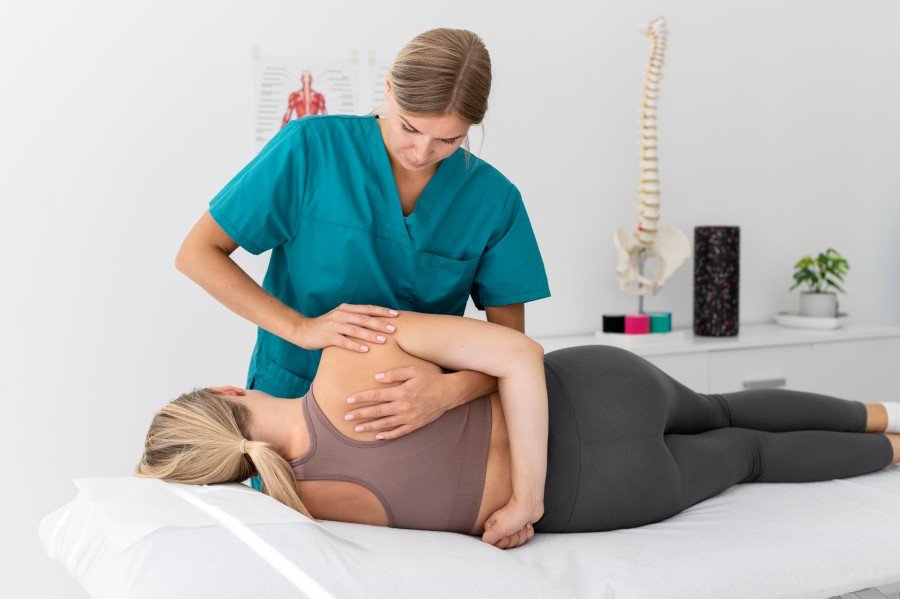
Pregnancy and childbirth bring remarkable changes to a woman’s body. While welcoming a baby is an exciting experience, the recovery journey can be physically demanding. Many new mothers experience back pain, pelvic discomfort, weak abdominal muscles, urinary leakage, poor posture, and general fatigue after delivery. Fortunately, Post-pregnancy physiotherapy in Gaur City offers a safe and evidence-based way to support healing and restore strength.
Rather than simply treating pain, postpartum physiotherapy focuses on helping women regain mobility, improve core stability, strengthen the pelvic floor, and return to daily activities with greater comfort and confidence. Whether you had a normal delivery or a cesarean section, early guidance from an experienced physiotherapist can make recovery smoother and more effective.
For more information, direct chat with us on WhatsApp
Post-pregnancy physiotherapy helps new mothers recover faster by restoring muscle strength, improving pelvic floor function, reducing pain, correcting posture, and supporting safe movement after childbirth. A personalized rehabilitation program promotes better physical recovery, making everyday activities more comfortable while lowering the risk of long-term musculoskeletal problems.
Why Postpartum Recovery Deserves Special Attention
Pregnancy places continuous stress on muscles, joints, ligaments, and the pelvic floor. Hormonal changes also increase joint flexibility, making the body more vulnerable to strain even after childbirth.
Following delivery, many women experience:
- Lower back pain
- Neck and shoulder stiffness
- Pelvic girdle pain
- Abdominal muscle separation (Diastasis Recti)
- Weak pelvic floor muscles
- Poor posture while breastfeeding
- Difficulty lifting or carrying the baby
- Fatigue during daily activities
Although some discomfort improves naturally, persistent symptoms should not be ignored. Early rehabilitation helps prevent minor issues from becoming long-term problems.
How Post-pregnancy Physiotherapy in Gaur City Supports Recovery
Postpartum physiotherapy is designed around the unique needs of each mother. Treatment begins with a comprehensive assessment before creating an individualized recovery plan.
A physiotherapist may help with:
- Pain management
- Mobility restoration
- Core muscle rehabilitation
- Pelvic floor strengthening
- Safe return to exercise
- Postural correction
- Functional movement training
The goal is not only pain relief but also restoring confidence in everyday movement.
Common Conditions Treated After Childbirth
Pelvic Floor Weakness
The pelvic floor muscles support the bladder, uterus, and bowel. Pregnancy and delivery often weaken these muscles, leading to:
- Urinary leakage
- Reduced pelvic stability
- Pelvic heaviness
- Lower back discomfort
Targeted pelvic floor exercises improve muscle function and help reduce these symptoms.
Diastasis Recti
Many women experience separation of the abdominal muscles during pregnancy.
Physiotherapy includes carefully selected exercises that safely strengthen the deep core muscles without increasing abdominal pressure.
Back and Neck Pain
Hours spent feeding, carrying, and soothing a newborn often lead to poor posture.
A physiotherapist teaches proper body mechanics, stretching routines, and strengthening exercises that reduce strain on the spine.
Cesarean Section Recovery
Women recovering from C-sections may experience:
- Scar tightness
- Reduced abdominal strength
- Difficulty standing upright
- Limited movement
Gentle rehabilitation improves flexibility, promotes healing, and restores function safely.
Benefits of Postpartum Physiotherapy
Choosing professional physiotherapy after childbirth offers benefits that extend well beyond pain relief.
Faster Physical Recovery
Guided rehabilitation helps muscles recover efficiently while improving flexibility and movement.
Improved Core Stability
A stronger core supports the spine and reduces back pain during childcare activities.
Better Pelvic Floor Function
Strengthening these muscles can improve bladder control and pelvic stability.
Reduced Pain and Stiffness
Manual therapy, mobility exercises, and stretching reduce muscle tension and improve comfort.
Improved Posture
Learning correct posture during feeding, lifting, and carrying the baby prevents unnecessary strain.
Greater Confidence
As strength and mobility improve, new mothers often feel more comfortable returning to work, exercise, and daily routines.
What Happens During a Postpartum Physiotherapy Session?
Many women hesitate because they are unsure what to expect.
A typical appointment may include:
- Detailed health and delivery history
- Posture assessment
- Pelvic floor evaluation (when appropriate)
- Core muscle assessment
- Movement analysis
- Personalized exercise program
- Education on safe lifting, feeding positions, and daily activities
Treatment plans are always adjusted according to the mother’s recovery stage and comfort level.
When Should You Start Physiotherapy After Delivery?
Recovery timelines vary from person to person.
Generally:
- Women with uncomplicated vaginal deliveries may begin gentle physiotherapy within a few weeks after medical clearance.
- Women recovering from a cesarean section usually require additional healing time before starting structured rehabilitation.
Always consult your obstetrician or healthcare provider before beginning postpartum exercises.
Early assessment allows physiotherapists to identify problems before they become chronic.
Simple Tips to Support Recovery at Home
Professional treatment works best when combined with healthy daily habits.
Some helpful practices include:
- Maintain good posture while feeding your baby.
- Avoid lifting heavy objects unnecessarily.
- Stay hydrated.
- Walk regularly as advised by your healthcare provider.
- Perform only physiotherapist-approved exercises.
- Get adequate rest whenever possible.
- Avoid rushing back into high-impact workouts.
Small lifestyle changes can significantly improve recovery.
Why Choose Professional Post-pregnancy Physiotherapy in Gaur City
Every pregnancy and delivery experience is different. Therefore, recovery should never follow a one-size-fits-all approach.
An experienced physiotherapist develops an individualized rehabilitation plan based on:
- Delivery method
- Pain levels
- Physical fitness
- Recovery goals
- Lifestyle demands
- Existing musculoskeletal conditions
Women living in Gaur City, Greater Noida West, Noida Extension, Crossing Republik, and nearby areas can benefit from personalized physiotherapy programs that prioritize safe, gradual recovery while supporting long-term physical health.
When Should You Seek Professional Help?
Consult a physiotherapist if you experience:
- Persistent back or pelvic pain
- Urinary leakage
- Abdominal weakness
- Difficulty walking
- Pain during daily activities
- Ongoing scar discomfort after a C-section
- Poor balance or reduced mobility
Early intervention often leads to better outcomes and prevents long-term complications.
Conclusion
Recovering after childbirth takes time, patience, and the right support. While rest is essential, guided rehabilitation can significantly improve strength, mobility, posture, and overall well-being. Post-pregnancy physiotherapy in Gaur City helps new mothers safely rebuild their bodies after pregnancy by addressing common concerns such as pelvic floor weakness, back pain, core instability, and movement limitations. A personalized treatment plan enables women to return to daily activities with greater confidence while reducing the risk of future musculoskeletal issues. If you’re experiencing discomfort after childbirth or simply want a healthier recovery, consulting an experienced physiotherapist is a positive step toward regaining your strength and enjoying motherhood with greater comfort.
For more information about Physio Flex, visit https://share.google/nZlyaZOhwpwEyTZt0 to learn more about their services or to book an appointment.